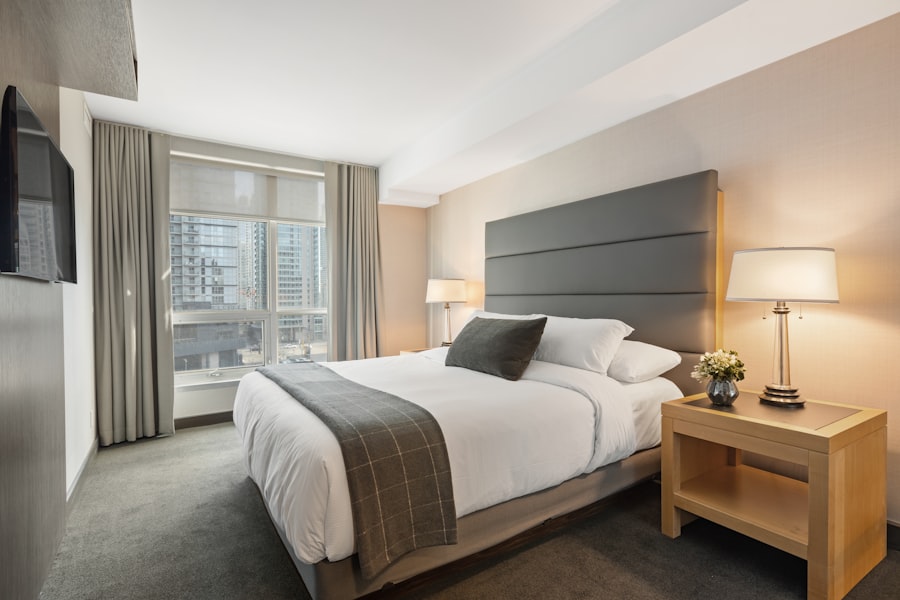
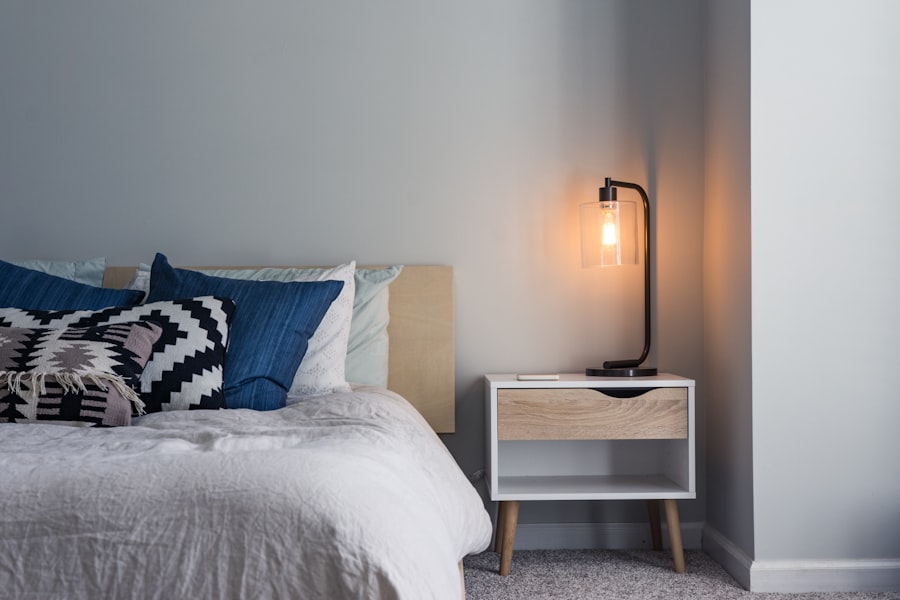
The question we hear most often in our showroom is the simplest one: cotton or satin? After fifteen years of weaving, finishing, and sleeping under both, here is our honest, detailed answer. The truth is that neither fabric is universally better — the right choice depends on your climate, your sleep temperature, your washing routine, and the kind of bedroom you want to walk into every evening.
Breathability: Where Cotton Wins Outright
Cotton is an open-weave fabric. Its fibres absorb moisture from your skin — up to 27% of their own weight in water — and release it into the air as you sleep. In a city like Ahmedabad where summer nights regularly push past 38°C, this is not a luxury feature; it is the difference between sleeping through the night and waking up damp at 3 AM. Our 200TC and 300TC cotton bedsheets are the single most popular product category we sell between March and October, and breathability is the reason.
Satin, by contrast, is a weave structure rather than a fibre type. Our satin procean sheets are woven from polyester-blend yarns in a four-over-one-under pattern that creates a smooth, almost liquid surface. This surface feels cool to the initial touch — hotels love this — but it does not breathe the way cotton does. In air-conditioned bedrooms, this is rarely a problem. In naturally ventilated rooms during Indian summers, cotton is the safer choice.
Feel and Drape: Where Satin Takes Over
Satin has a weight and a fall that cotton simply cannot replicate. When you pull a satin bedsheet across a king-size mattress, it drops and drapes with a fluidity that transforms the look of a bedroom. The surface catches light differently depending on the angle — there is a reason that every five-star hotel linen catalogue leads with satin. If you are designing a bedroom for visual impact, satin is the answer.
Cotton, on the other hand, has a matte, honest feel. It does not perform for the camera the way satin does, but it rewards you over time. A well-made cotton bedsheet becomes noticeably softer after the fifth or sixth wash as the fibres loosen and bloom. Our customers who have been buying from us for years often say that their oldest cotton set is their favourite — and that is something satin cannot offer.
Durability: A Closer Contest Than You Think
Pure cotton bedsheets, properly cared for, last 3-5 years of regular use and weekly washing. The fabric may pill slightly after the first year — this is normal and reduces over time. We recommend washing in cold water, tumble-drying on low, and avoiding bleach to maximise lifespan.
Satin procean sheets are resistant to pilling and maintain their lustre for 2-4 years. The polyester content makes them less susceptible to shrinkage and colour fade. However, high-heat washing or aggressive wringing can damage the weave structure and reduce the smooth finish. Iron on low heat, inside out.
Price Comparison
At ABH, a king-size 100% cotton double bedsheet set (with two pillow covers) starts at ₹799. An equivalent satin procean king set starts at ₹1,249. The price difference reflects the weave complexity and finishing process — satin requires calendering (a heat-and-pressure treatment) to achieve its characteristic sheen.
Our Recommendation
For everyday sleeping comfort in Indian climates, especially without air conditioning — go with cotton. For a guest bedroom, a master suite with AC, or a hotel-style aesthetic — satin is worth the investment. Many of our repeat customers end up owning both: cotton for summer rotation and satin for the cooler months and for when guests visit.
If you want hotel-bedroom drama, satin. If you want everyday comfort that ages into something better, cotton. Both are honest choices — just different ones.